The Novice Survivalist
A novice outdoorsmen learning camping, fishing, bushcraft and survival. "KNOWLEDGE IS A SURVIVAL SKILL"
A tip for those pesky damp fire pits.
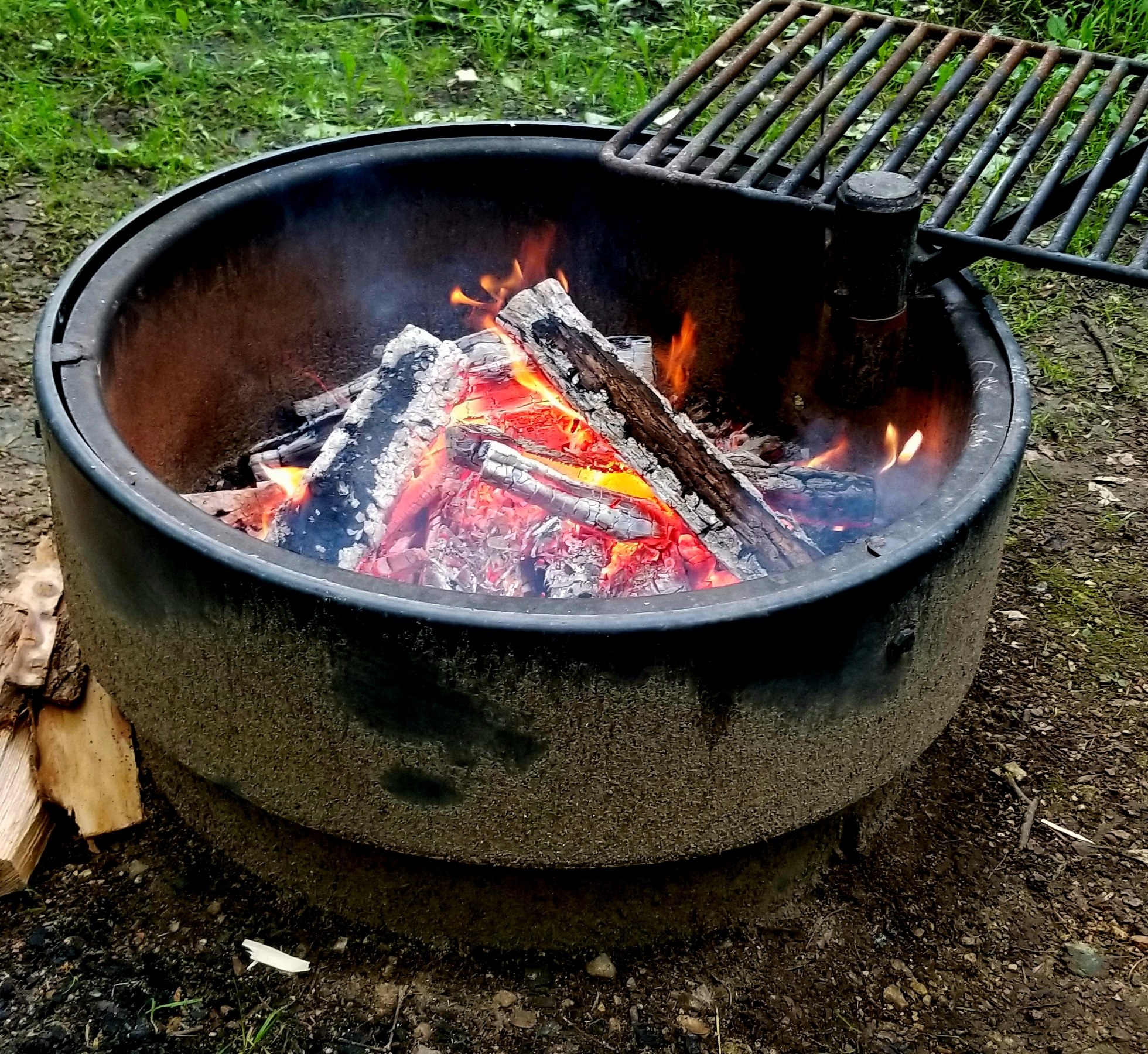
In just 2 minutes here’s a quick fix for those damp fire pits…..
Check it out.
The novice survivalist
The whole Camping Dilemma thing…
via The whole Camping Dilemma thing…
How I decide on a tent or hammock……..its never an easy choice
The whole Camping Dilemma thing…
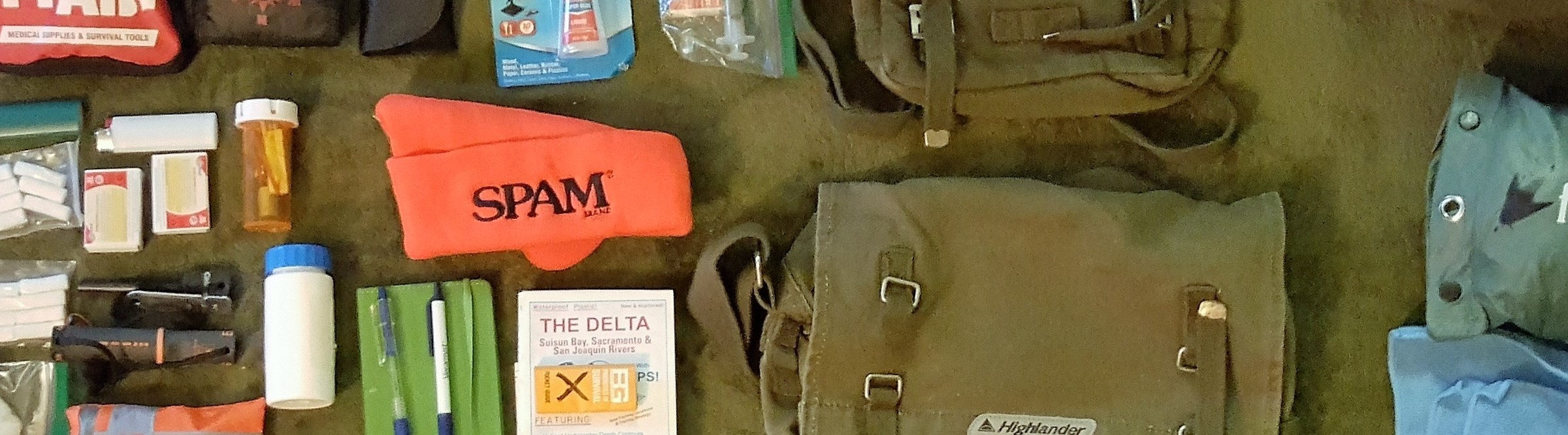
This is a problem I have been dealing with since I first became more involved with the whole camping, outdoor thing. I know a lot of outdoor types deal with this in many different ways. What to do. Yep ….
Making the choice to either Tent camp or Hammock it. I struggle every time I decide to go camping. Whether it is a short quick overnighter or for a couple nights. I know, for me and I’m sure many others it depends on when, where and weather. When I decide to go, I go. No matter what the weather decides to be on that day or days. Obviously I check the weather before I go, And although I tend to pack days before I plan on leaving (I tend to over do things and l end and up over packing , then spending the rest of the time cutting back before leaving.) I check the weather updates every day for changes in the forecast. I seem to believe the weather people, some times to my peril. They are by no means accurate and the further way I check the more changes I make as I get closer. I would be better off just waiting to the day before, having everything laid out and pack the night before. But I don’t. Why because playing with my camp stuff is one of my joys.
Not only do I enjoy my time around my equipment I also spend time checking everything out. I just don’t want to be caught out there and find something does not work or missing parts etc. Something we should all consider doing. I check my “stuff at the change of seasons. Ok, I check them way more than that, but that’s just me . Its the playing with my goodies thing.
Back to the Dilemma. Tent or hammock. Which to take? I refer to the 3 W’s.
- When, Dates and the general seasons determine a lot of my decisions, Especially now I live in a 4 season state.
- Where, Just where am I going to camp. Is it possible to hammock or just tent. Knowing the area becomes even more important when making the decision. Walk-in, drive-in in or Kayak-in also has implications.
- Weather, this I have discussed already but its the final decider for me. If its got a good chance of wet weather I prefer hammock camping. Dry is tent time.
Based on this, Lets look at my decision making process for my up-coming camping trip.
I have a camp site booked for a 2 night weekend. Its a local State park I have camped before although a different site. I wanted to go back and Kayak the lake as last time that was a disaster. I had not checked and secured my kayak drain plug and lost it on the drive to the camp site. This time I intend to spend a day on the lake fly-fishing from the kayak. (Hobie outback).  It is a drive in camp site but as I usually do, I pack as if I am walking in. I am still fighting the over packing and try to keep myself as limited as possible. I am by no means a micro light backpacker. But I am of a mature age (read I’m getting to old to lug a heavy load over any distance). So I am trying to lighten my backpack load. I have yet to be very successful but I persist. I feel the only way I will succeed is to go “totally bush crafty”. Carry a tarp, blanket and pad as asleep system. And reduce my other tools of the trade to get down to a small pack. Some thing around about 35 liters. Not as easy as it seems.
Back to my trip. The weather so far is predicted at 30% chance of rain showers. That I can deal with. As long as they are not thunder and lightening storms. Being out on the water on my kayak is unsafe. So rain is expected. That for me points towards a hammock. For a couple of reasons. The ground will be wet, a trap to sit under. (especially my DD hammocks 3×3) is pleasant in a rain shower.  Plenty of cover and open sides. Better than sitting in a tent. I can use my MSR pocket rocket to cook under the tarp. A win-win situation.
Although my tent ( French army 2 man pup tent) is water proof I dislike being closed up in it. Its roomy but I prefer the views offered by a tarp. Set up right, the tarp is the best option. Because its not winter and the days are hot and humid, the nights fairly cool. I can get by without needing the under blanket for the tarp. a good thing as its bulky and takes up a lot of room in my pack. Ill just have the bug net, hammock, tarp, snug Pak blanket, light sleeping bag and sleep pad. All these pack smaller and lighter than the tent. This setup with cook set, change of clothes, first aid kit, things bag (possible’s pouch) and water are the lightest option I have been able to pack in my Ozark trails 45l backpack. Its about (without water) 30lbs. Packing the tent adds about another 6-7 lbs. And makes for a tight fit. So its the hammock option. If it was winter the tent is the best option, as it provides better shelter from the very cold winter nights in Minnesota.
As I said its a drive in site and that allows me to take my kayak and fly-fishing stuff with. If I was kayak camping it would probably be the hammock.  But if I am unfamiliar with the locations I would take the tent. There is always dirt to setup on, not always 2 tree to put up a hammock.
There it is! How I deal with the Tent vs Hammock dilemma. I really do not have a personal preference on the hammock or a tent. For me I enjoy both ways to camp and can make the most of both options. The down side is making the wrong choice can be a hard lesson to learn. I have slept on the ground using my hammock as a ground sheet and setting up the tarp on one tree (small spindly thing) as the over head cover. I was uncomfortable but it was not the end of the world. All because I didn’t do due diligence on scouting the area before going out on a camp. A lesson learned and was a great way to test out my adapt or die knowledge and skills. The few I have learnt.
Watching the weather closely right now and we have had a lot of rain these last days. Hopefully it will pass and the days will be pleasant and the fishing great. No matter what its the outdoors and that’s why I go.
Till next time .
Remember knowledge is a survival skill. To learn is to survive.
The Novice survivalist
San Diego California and my 2 girls…joy
Visited my 2 girls in San Diego .ca. for 5 days what joy. See the video click the link
Watch “NS 2CG FIRST LOOK AT MY OUTDOOR PRODUCTS ODYSSEY DAYPACK” on YouTube
Check out my website at http://www.novicesurvivalist.com
#survival #hiking #walkabout
#backpack #camping #outdoors #daypack #outdoorproducts
Watch “NS 2CG 2 MINUTE TIP – Add to your walkabout” on YouTube
Add this fun thing to do to enhance your dayhike or walkabout
#outdoors #ilovetheoutdoors #nature #walkabout #hiking
Watch “VLOG99 Walkabout and Scout Caron Park, Rice County Mn” on YouTube
#nature #outdoors # waterfalls #hiking #walkabout
10 C’s of Survivability. Something to add to this…

Its been awhile since I posted the blog on the 10 C’s of survivability. So its time to look at it again. Now that I have, over the past 2 years, taken a closer look, added the necessities to my survival packing, tried and even succeeded at times to use and get familiar with them.  I found that although it covers the minimal requirements (and that is stressed by Dave Canterbury, whose brain child it is.) I discovered I need more to survive.
The main reason, I am a novice. I am no Bush crafter expert or survivor guru. So being the sharing kind of guy I am, I thought I would share what I have learnt over the past 2 years of getting outdoors with the 10 C’s at my disposal. Mind you its not a lot. But I have learnt some things you might not have considered.
First off, I and I am pretty sure a lot of people fell into the “this is all I need to survive” trap. No, not true. This is a list of TOOLS needed to help you survive. Obviously you need to know what they are for and how to use the tools. However there are other things we as a novice survivalist need to know and understand.
Yes these “other thing’s” go hand in hand with the 10C’s list.
The ones that come to mind right away are:
- Safety
- First Aid
- Water retrieval
- Wardrobe
Theses are just the first ones that I found I had to add to my “tools list”.
Here is the 10 C’s list.
1. Cutting tool (Knife, saw, axe etc.)
2. Combustion tool (Fire starter)
3. Cover (Shelter from the elements)
4. Container (Water vessel)
5. Cordage (550 cord or bank line)
6.Candle light ( flash light, headlight etc.)
7. Cotton bandana
8. Compass
9. Cargo Tape (Preferably Gorilla duct tape)
10. Canvas needle (A sewing kit would do in a pinch)
As I said before this list is for tools you need to survive an unplanned happenstance, where we find ourselves in a survival situation. They are a MUST. However there are other “needs ” we should consider when going outdoors for any extended time.
Lets look at the quick list I just remembered.
SAFETY
Assuming we have all the tools from the list at our disposal, ready and packed in convenient places with easy access. We need to consider our safety. This is a priority when planning for a survival situation or even a day trip outdoors.
Simply doing some research online about where you are going or the area you could find yourself in a survival situation. It does depend on where you are currently living now (Home area or local area), or the area you are planning a trip to. There will be a lot of information about your local area available. Local police departments, City offices or even using a house buying guide from a local online realtor. They have some interesting information regarding your local area. The realtor sites often give information on the area a house is for sale. Police departments will have information on crime areas and fire departments about dangerous fire areas and emergency options for you. They offer advice on safety and have many pamphlets and papers on how to be prepared for a disaster. Check them out.
Things to look for in any area is the obvious. Crime rates, types of crime etc. This will offer a better idea of your neighborhood and a rough idea of what to expect in a disaster situation. Make sure to locate disaster staging areas for your city. Know where they are.  Have a map handy with the safe havens marked on them. Make sure to have a good spread. You never know where you will be when a disaster happens. Make sure ALL members’ of you family have on and are familiar with it. Learn basic map reading with everyone.
When looking at a outdoor trip these basic ideas for your local rea can be used there to. If camping contact the local ranger stations or office for your state or federal location. ( In MN is the DNR, Department of natural recourses) their website will, if you spend time on it, offer up some good advice and information for the area you will be in. Obviously this will concentrate on wildlife dangers, but people issues are also considered. Things to look for is reviews on the area from other visitors, were there break ins to vehicles, police actions or complaints of noise etc.
Safety also includes wardrobe and personal protection. I wont get into that (Personal protection), simply because how you choose to protect yourself is a personal choice. Needless to say, make sure you are familiar with your choice, how to use safely, carry, maintain and understand the local and federal laws of your choice.
Wardrobe is often overlooked. Be sure to have all the needs for all weather types. Disasters don’t have a season. And it may be larger enough to disrupt your life over months, Taking you into different seasons. Pack wisely. Most clothing is bulky and takes up space. But it is a needed item. Depending on the State or area you live in will determine the requirements. If you have a home base with disaster preparation in it .Make sure to have the correct clothes ready as the seasons change. You don’t want to be digging through your stash to find a heavy snow jacket because you still have your summer kit out. One thing I have found I do is over pack my clothes. Get everything out, put it in a seasonal pile and then go through each pile. Remove duplicates, look at other seasonal piles to see if you have multi-taskers in them. as we had discussed before you may need to move from your home base to a predetermined location or disaster shelter. Deciding what to take is determined by your transport. If by foot less will be available to you, if by vehicle more. However don’t overload either. Choose wisely.
WATER ACCESS
In a major disaster, most times the main concerns are water. Whether for drinking or cleanliness,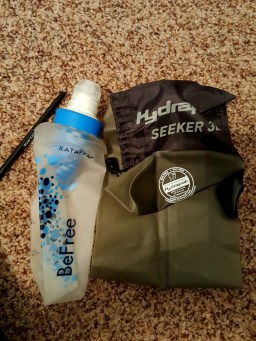 you need it. It is some thing or body cannot survive without. Having access to clean drinkable water is a top priority. There will be water around however how safe it is to drink is another story. My advice is have a portable purification system at your disposal. There are many kinds out there from, drops, pills and filters. I would have at least two different kinds on hand. Compact and lightweight is perfect, however if transport allows look at bigger better systems. Water is heavy. Carrying it is difficult. Make sure to have at least something you can use to carry water to last a couple days if used sparingly. This can be applied to a camping and day excursion into the outdoors. Just on a smaller scale.
Be sure you are familiar with how it works, maintain it and storage. Check your systems regularly. Its a major life saver.
FIRST AID
This goes hand in hand with safety. Nobody should leave home without some sort of basic first aid kit available. Whether you choose to buy a prepared kit or make one for yourself, it needs to be able to help take care of you and members of your group reasonably well. You don’t have to be a EMT or trauma physician to use a first aid kit. The name says it all. It is a temporary fix to get you through a bad situation until more knowledgeable and professional help can be found. It is to provide basic medical care right there and now.
What constitutes a perfect first aid kit depends on your personal needs. All Kits need to have the basics. There are hundreds of lists out there for you to peruse. However they will all need modifications for your specific needs. An example is if a person in your group has special medical needs. Such as a Diabetic. Here is a basic starting list to work from. Its one I found on the REI website.
Bandages
Assorted adhesive bandages
Gauze
Athletic tape
Blister treatments (such as moleskin)
Medication and ointments/lotions
Ibuprofen
Antibiotic ointments
Antacid tablets
Antidiarrheal pills
Rehydration salts
Prescription medicines
Basic tools
Tweezers
Small mirror
Blunt tip scissors
Razor blade or knife
Miscellaneous items
Bee-sting kit
Tick remover
Antiseptic towelettes
Burn dressing
Splints and elastic wraps
That’s it for now. There is other “things” to considerer when planning for a disaster. But this is a start.
My advice is to PLAN. Make a list of needs to add to the 10 C’s list that you will need and whittle down to a manageable load. Obviously you will need multiple first aid kits, and water purification systems for your group. each member should have one each for personal carry in their BOB, daypacks, camping packs/ bags that they will have with them at all times.
Remember. ‘Knowledge is a survival skill”
The Novice survivalist

Watch “NS 2CG REVIEW KATADYN BeFree Water Purification System 0.6L” on YouTube
A great easy to use system for the outdoors person….
 The Novice Survivalist